

Buddhist Federation of Australia : ค้นหาหนังสือธรรมะ หน้า 59 / 64
หน้าหนังสือทั้งหมด
106
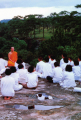
Outdoor Gathering with Monk
There is no visible or readable text in the image to perform OCR on. The image depicts a group of people dressed in white clothing sitting outdoors on rocks, with a monk in saffron robes standing or s
The image captures a peaceful gathering of individuals wearing white attire, seated outdoors on rocks, with a monk dressed in saffron robes present. This tranquil setting, surrounded by trees and a sl
23
The image appears to be digitally manipulated or illustrated, showing a Buddhist monk sitting in meditation against a background of a large tree. The monk is dressed in traditional orange robes, with
234
การใช้คำให้ถูกต้องในภาษาไทย
๕
ใช้คำให้ถูกต้อง
คำว่า...ไอ่เนร
คำนี้...เราคงได้ยินรุ่นหลัง ๆ พูดกัน ซึ่งฟังแล้วน่า สงสาร เพราะมันเป็นบาป
คำว่า เนร มาจากคำว่า สามเนร ซึ่งเป็นเทือกเถาเหล่ากอของสมณะ ตามศัพท์พัฒนานุกรม คือ ผูดำรงเพศอย
บทความนี้อธิบายถึงการใช้คำว่า 'ไอ่เนร' ซึ่งมักถูกใช้ในวัยรุ่นในปัจจุบัน คำนี้มีความหมายลึกซึ้งและเกี่ยวข้องกับคำว่า 'สามเนร' ที่มีความสำคัญในศาสนา โดยคำนี้ใช้เรียกผู้ที่มีศีล 10 ในขณะที่คำที่ไม่เหมาะส
4
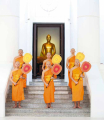
There is no visible text in the image to perform OCR on. The image shows five young Buddhist monks in orange robes holding umbrellas, standing on stairs in front of a large golden Buddha statue inside
13
คำว่า ธรรม คืออะไร
คำว่า “ธรรม” คืออะไร
คำว่า ธรรม เป็นคำที่มีมาก่อนการเกิดขึ้นของพระพุทธศาสนา กล่าวคือ เป็นคำที่มีมานับแต่ยุคพระเวท ปรากฏในคัมภีร์ที่เก่าแก่ที่สุดในโลกอย่างคัมภีร์อิรัคเวท เมื่อรวบ 3,500 ปีที่แล้ว และเ
คำว่า 'ธรรม' มีความหมายหลากหลายและมีประวัติศาสตร์ยาวนานตั้งแต่ยุคพระเวท ในพระพุทธศาสนา ธรรมถูกใช้เพื่อบ่งบอกถึงการเข้าใจในกฎธรรมชาติและหลักจริยธรรม ซึ่งรวมไปถึงโลกุตตรธรรมที่ทำให้ผู้คนสามารถก้าวสู่ควา
129
บันทึกบรรณานุกรมพระไตรปิฎกและวรรณกรรมพุทธศาสนา
บรรฑานุกรม
มหาจุฬาลงกรณราชวิทยาลัย. (2543). พระไตรปิฎกภาษาไทย.
กรุงเทพมหานคร: โรงพิมพมหาจุฬาลงกรณราชวิทยาลัย.
มหาจุฬาฯราชวิทยาลัย. (2543). พระไตรปิฎกภาษาไทยและอรรถกถา
แปล. กรุงเทพมหาฯ: โรงพิมพมหาจุ
บรรณานุกรมนี้รวบรวมข้อมูลเกี่ยวกับพระไตรปิฎกในภาษาไทย รวมถึงการตีความและอรรถกถาที่จัดทำโดยมหาจุฬาลงกรณราชวิทยาลัยและวัดปากน้ำภาษีเจริญ นอกจากนี้ยังมีข้อมูลเกี่ยวกับพจนานุกรม Pali-English และไวยากรณ์ขอ
12
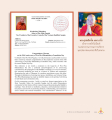
Congratulatory Message on the 55th Anniversary of Wat Phra Dhammakaya Foundation Day
VIETNAM BUDDIST SANGHA
PHO MINH PAGODA
--- oOo ---
Kusalacitto Mahathero
Abbot of Pho Minh Pagoda
Vice President of the Executive Council of the Vietnam Buddhist Sangha
Address:
2 Thien Ho Duong Str
On the 55th Anniversary of Wat Phra Dhammakaya Foundation Day, Kusalacitto Mahathero, the Abbot of Pho Minh Pagoda, extends warmest congratulations. This occasion marks over five decades of the instit
234
Untitled
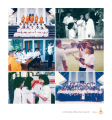
Buddhist monks, nuns, and laypeople, represented through photographs. On the upper part of the image, there are group photographs of monks and nuns in white and orange attire, respectively, in front o
No content available for a summary.
41
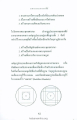
มหาธรรมกายดิษฐ์
มหาธรรมกายดิษฐ์
1. ตามสาระหรือความเป็นจริงที่จะถ่ายทอด
2. เป็นการสร้างเพื่อเลียนแบบ หรือจำลอง
3. สร้างตามความคิดและจินตนาการ
ในโลกของพระพุทธศาสนา ปรากฏรูปแบบของพุทธดิษฐ์
มากมายหลายหลาก แต่ทุกรูปแบบอย
ในโลกของพระพุทธศาสนา มหาธรรมกายดิษฐ์เป็นการสร้างรูปแบบที่มีความหลากหลาย แต่ทุกอย่างมีพื้นฐานจากการสร้างสัญลักษณ์ของพระพุทธศาสนา การเป็นตัวแทนของพระพุทธองค์ และเพื่อการสักการะ ทั้งนี้ทุกแบบจะรักษาความส
4
Translator's Preface to Dhammacakkapavattana Sutta
Translator's Preface
This book has been compiled and translated not exclusively from the written Thai version of Phrabhavana-viryakhun’s ‘Dhammacakkapavattana Sutta’, but also from many subsequent re
This preface discusses the compilation and translation of Phrabhavana-viryakhun’s Dhammacakkapavattana Sutta from Thai texts and various teaching sessions. It emphasizes the author's intent to make th
5
Advanced Concepts in Buddhism
which are unnecessarily caught up with Thai culture have been minimized or omitted.
The content of this book is more advanced than the for- going titles in the series 'Buddhism in Plain English'. This
This book, part of the 'Buddhism in Plain English' series, offers advanced insights into Buddhism's higher spiritual training, focusing on the renunciation of mundane life. It discusses the common mis
11
The Noble Truths of Suffering
4 The Noble Truth of Suffering ........................................... 57
Every Living Being is a Victim of Suffering 57 • Suffering as a result of
Birth 58 • The Suffering of Internment in the Wo
เนื้อหาเกี่ยวกับสัจธรรมทั้งสี่ซึ่งกล่าวถึงทุกข์และวิธีการดับทุกข์ในศาสตร์ของพุทธศาสนา รวมถึงอธิบายความสำคัญของการเข้าใจทุกข์และการพึ่งพาไม่ให้จิตใจเสพติดความสุขชั่วครั้งชั่วคราว การบรรลุถึงสภาวะนิพพาน
14
Author's Preface on the Uniqueness of Buddhism
Author's Preface
Buddhism is unique in teaching a way to overcome suffering, with its aim definitely to liberate oneself from the Cycle of Existence [vadda-samśāra] thereby attaining the highest eter
The Author's Preface highlights Buddhism's distinctive qualities in teaching ways to alleviate suffering and attain ultimate happiness, emphasizing its systematic approach to teachings and virtues. It
15
Understanding the Dhammacakka Pavattana Sutta
be practised by anyone, giving access to the highest attain- ments — even attainments on a par with that of the Lord Buddha himself.
That the Buddha was able not only to understand Dhamma teachings, b
The Dhammacakka Pavattana Sutta serves as the foundational teaching of Buddhism, delivered by the Buddha to the group of five monks. It encapsulates essential principles that are crucial for anyone wi
24
The Path of Self-Mortification in Buddhism
2. The Path of Self-Mortification
According to the Buddha, the practice of self-mortification [attakilamathānuyoga] is fruitless. He said that it is not a practice in keeping with the tenets of Buddhi
In Buddhism, the practice of self-mortification is deemed fruitless by the Buddha. He elucidates that these practices, such as lying on thorns and severe fasting, do not genuinely rid individuals of d
44
Understanding Right Intention and Right Speech in Buddhist Practice
subtle defilements¹ [anusaya].
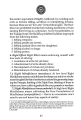
2.1 Right Intention (mundane): At low level Right Inten- tion means having the wholesome intention to be generous, keep the Five Precepts, renounce the world to become a
This text discusses key aspects of Buddhist practice, specifically focusing on Right Intention and Right Speech. Right Intention involves having wholesome intentions such as generosity and the desire
45
The Buddha's Teachings on Right Livelihood and Moral Conduct
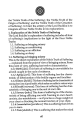
the monk's equivalent of Right Livelihood, by avoiding such evils as fortune telling, sacrifices or interpreting dreams, because these are all 'low arts'[tiracchānavijjā]. The Buddha even prohibited m
This text discusses the Buddha's teachings on Right Livelihood, emphasizing the avoidance of 'low arts' such as fortune telling and the prohibition of harmful trades for monks and laypeople. In partic
50
Understanding the Noble Truths of Suffering
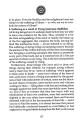
the 'Noble Truth of the Suffering', the 'Noble Truth of the
Origin of Suffering' and the 'Noble Truth of the Cessation
of Suffering'. In brief, the artistry of the Lord Buddha is to
integrate all four
The teachings of the Lord Buddha encompass the Four Noble Truths, with a significant focus on understanding suffering. Suffering is characterized through various forms — from birth to death, highlight
70
Understanding Suffering: The Dukkha of Illness and Dying
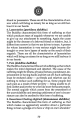
in its place. Even the Buddha and the enlightened ones are
subject to the suffering of illness — so who are we to over-
look the misery of illness?
4. Suffering as a result of Dying [marana dukkhā]
Al
This text delves into the concepts of suffering in Buddhism, particularly focusing on the pain associated with illness and the inevitable reality of death. It elucidates how all beings, including enli
73
Understanding Types of Suffering in Buddhism
parideva dukkha
The Buddha characterized this form of suffering as that which produces tears of anguish whenever we are unable to give up our attachment to something. Again the cause might be the dece
This text delves into the different forms of suffering defined by the Buddha. It describes 'parideva dukkha' as the anguish leading to tears due to attachment loss, primarily affecting those grieving